Items

Maggrot (C5)
Pet

 Rarity: Common
Category: Pets
Rarity: Common
Category: Pets
Small beasts of the Rot, these slow-moving creatures feed on corpses or any unfortunate prey that are not fast enough to escape their jaws. Maggrots see through a row of eyes on folds of its face, however they can only detect movement, and are rather placid once fed.

Maggrot (U1)
Pet
Rarity: Uncommon
Category: Pets
Small beasts of the Rot, these slow-moving creatures feed on corpses or any unfortunate prey that are not fast enough to escape their jaws. Maggrots see through a row of eyes on folds of its face, however they can only detect movement, and are rather placid once fed.

Maggrot (U2)
Pet
Rarity: Uncommon
Category: Pets
Small beasts of the Rot, these slow-moving creatures feed on corpses or any unfortunate prey that are not fast enough to escape their jaws. Maggrots see through a row of eyes on folds of its face, however they can only detect movement, and are rather placid once fed.

Maggrot (U3)
Pet
Rarity: Uncommon
Category: Pets
Small beasts of the Rot, these slow-moving creatures feed on corpses or any unfortunate prey that are not fast enough to escape their jaws. Maggrots see through a row of eyes on folds of its face, however they can only detect movement, and are rather placid once fed.

Maggrot (U4)
Pet
Rarity: Uncommon
Category: Pets
Small beasts of the Rot, these slow-moving creatures feed on corpses or any unfortunate prey that are not fast enough to escape their jaws. Maggrots see through a row of eyes on folds of its face, however they can only detect movement, and are rather placid once fed.

Maggrot (U5)
Pet
Rarity: Uncommon
Category: Pets
Small beasts of the Rot, these slow-moving creatures feed on corpses or any unfortunate prey that are not fast enough to escape their jaws. Maggrots see through a row of eyes on folds of its face, however they can only detect movement, and are rather placid once fed.
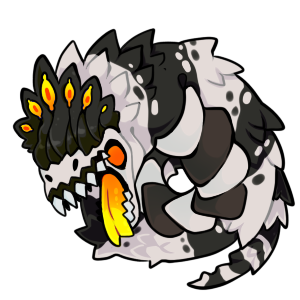
Maggrot (R1)
Pet
Rarity: Rare
Category: Pets
Small beasts of the Rot, these slow-moving creatures feed on corpses or any unfortunate prey that are not fast enough to escape their jaws. Maggrots see through a row of eyes on folds of its face, however they can only detect movement, and are rather placid once fed.
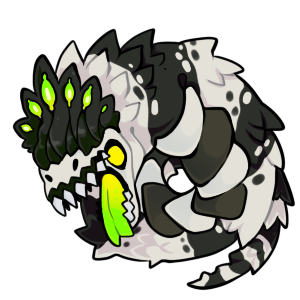
Maggrot (R2)
Pet
Rarity: Rare
Category: Pets
Small beasts of the Rot, these slow-moving creatures feed on corpses or any unfortunate prey that are not fast enough to escape their jaws. Maggrots see through a row of eyes on folds of its face, however they can only detect movement, and are rather placid once fed.
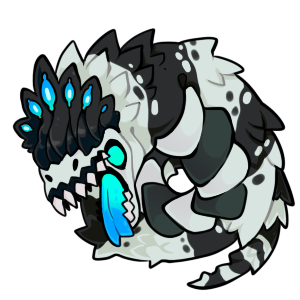
Maggrot (R3)
Pet
Rarity: Rare
Category: Pets
Small beasts of the Rot, these slow-moving creatures feed on corpses or any unfortunate prey that are not fast enough to escape their jaws. Maggrots see through a row of eyes on folds of its face, however they can only detect movement, and are rather placid once fed.

Maggrot (UR1)
Pet
Rarity: Ultra Rare
Category: Pets
Small beasts of the Rot, these slow-moving creatures feed on corpses or any unfortunate prey that are not fast enough to escape their jaws. Maggrots see through a row of eyes on folds of its face, however they can only detect movement, and are rather placid once fed.
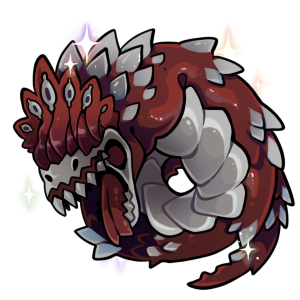
Maggrot (UR2)
Pet
Rarity: Ultra Rare
Category: Pets
Small beasts of the Rot, these slow-moving creatures feed on corpses or any unfortunate prey that are not fast enough to escape their jaws. Maggrots see through a row of eyes on folds of its face, however they can only detect movement, and are rather placid once fed.

Maggrot (E1)
Pet
Rarity: Exotic
Category: Pets
An unusual specimen of the Maggrot genus, this unique Maggrot is found in deep pools of water, usually in underground cave systems in Rot-infested locations. Almost completely transparent, they appear as a glowing orb in the pitch black, drawing in any unlucky prey to its awaiting jaws.
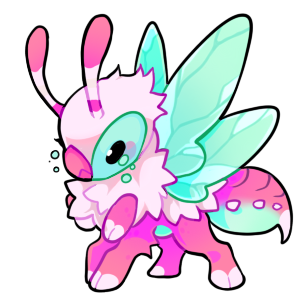
Vasper (U5)
Pet
Rarity: Uncommon
Category: Pets
Vasper's are overgrown wasps from the Wasp's Nest. They lack the armour that their species processes and are often kicked from their hives once grown. These creatures roam around the Harrow in search for food and are often shy towards most creatures. Their venom is not deadly, only causeing hallucinations.

Sporehide (C1)
Pet
Rarity: Common
Category: Pets
Often mistaken as a typical mushroom by the inexperienced wanderer, Sporehides plant their lower bodies in soft, moist soil, their thick, plated backs pointed to the skies. Covered in scented spores, they feed on insects that land upon their colorful armor.

Sporehide (C2)
Pet
Rarity: Common
Category: Pets
Often mistaken as a typical mushroom by the inexperienced wanderer, Sporehides plant their lower bodies in soft, moist soil, their thick, plated backs pointed to the skies. Covered in scented spores, they feed on insects that land upon their colorful armor.

Sporehide (C3)
Pet
Rarity: Common
Category: Pets
Often mistaken as a typical mushroom by the inexperienced wanderer, Sporehides plant their lower bodies in soft, moist soil, their thick, plated backs pointed to the skies. Covered in scented spores, they feed on insects that land upon their colorful armor.
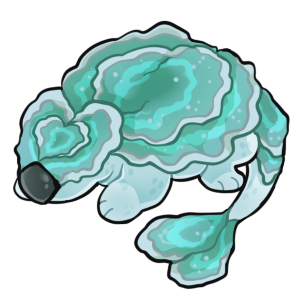
Sporehide (C4)
Pet
Rarity: Common
Category: Pets
Often mistaken as a typical mushroom by the inexperienced wanderer, Sporehides plant their lower bodies in soft, moist soil, their thick, plated backs pointed to the skies. Covered in scented spores, they feed on insects that land upon their colorful armor.
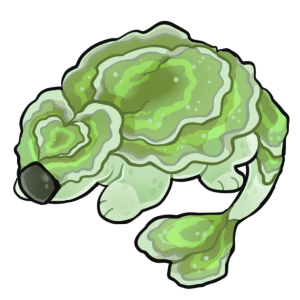
Sporehide (C5)
Pet
Rarity: Common
Category: Pets
Often mistaken as a typical mushroom by the inexperienced wanderer, Sporehides plant their lower bodies in soft, moist soil, their thick, plated backs pointed to the skies. Covered in scented spores, they feed on insects that land upon their colorful armor.

Sporehide (U1)
Rarity: Uncommon
Category: Pets
Often mistaken as a typical mushroom by the inexperienced wanderer, Sporehides plant their lower bodies in soft, moist soil, their thick, plated backs pointed to the skies. Covered in scented spores, they feed on insects that land upon their colorful armor.

Sporehide (U2)
Pet
Rarity: Uncommon
Category: Pets
Often mistaken as a typical mushroom by the inexperienced wanderer, Sporehides plant their lower bodies in soft, moist soil, their thick, plated backs pointed to the skies. Covered in scented spores, they feed on insects that land upon their colorful armor.